How to easily compare hotel prices on different booking websites and get the best deals

How to easily compare hotel prices on different booking websites, a crucial skill for savvy travelers, opens the door to significant savings and superior choices. In today’s digital age, where numerous booking platforms vie for your attention, understanding how to navigate these options can make all the difference in your travel experience. From hidden fees to varying amenities, knowing what to look for can ensure you secure the best deals available.
The importance of comparing prices across popular hotel booking platforms cannot be overstated, as factors like seasonal pricing, location, and demand influence the rates you encounter. By becoming familiar with these platforms and utilizing effective comparison strategies, travelers can enhance their decision-making process and enjoy a more satisfying stay.





Introduction to Hotel Price Comparison
Comparing hotel prices across various booking websites is crucial for travelers aiming to secure the best deals on accommodations. With a myriad of platforms available, each offering unique pricing and exclusive deals, understanding the dynamics of price comparison can save significant costs and enhance the overall travel experience. The most popular hotel booking platforms include well-known names such as Booking.com, Expedia, Hotels.com, and Agoda, each offering distinct features and pricing structures.
These platforms not only provide access to a vast array of hotels around the globe but also facilitate user-friendly searches and comparisons. However, it is essential to recognize that hotel pricing is influenced by multiple factors, including demand, location, time of year, and the type of accommodation.
Factors Affecting Hotel Pricing
Understanding the various factors that influence hotel prices can help travelers make informed decisions and identify the best time to book their stay. The following points highlight key elements that affect hotel pricing:
- Seasonality: Prices often fluctuate based on peak and off-peak seasons. For instance, beach destinations may see higher prices during summer, while ski resorts can be pricier in winter.
- Location: Hotels situated in prime areas, such as city centers or tourist hotspots, generally command higher rates due to increased demand and convenience.
- Booking Timing: Last-minute bookings can sometimes yield discounts; however, booking well in advance often secures better rates and availability.
- Room Type and Amenities: The type of room (e.g., standard, deluxe, suite) and included amenities (e.g., breakfast, free Wi-Fi, pool access) significantly influence pricing.
- Market Competitiveness: Local competition among hotels can drive prices down, while exclusive partnerships with certain platforms can lead to unique pricing offers.
“Understanding the factors affecting hotel pricing enables travelers to make smarter choices and maximize their budget.”
Evaluating these aspects can empower travelers to not only find competitive rates but also to understand the broader landscape of hotel pricing, leading to more satisfying travel experiences.
Methods for Comparing Hotel Prices
In the competitive landscape of hotel bookings, effectively comparing prices can yield significant savings and better choices for travelers. With numerous booking websites available, adopting certain strategies can streamline the process and enhance your travel planning experience.To navigate the multitude of hotel booking platforms efficiently, it is essential to employ a systematic approach. The following strategies detail how to compare hotel prices effectively, utilizing multiple resources and tools available online.
Utilizing Multiple Booking Websites
Using several booking websites can provide a broader view of available options and prices for your desired hotel. Here’s a step-by-step guide to streamline this process:
1. Identify Your Preferred Booking Websites
Research and select at least three to five reputable hotel booking websites. Popular platforms include Booking.com, Expedia, Hotels.com, and Agoda. Each website may offer different deals and exclusive discounts.
For solo female travelers, choosing a safe place to stay is crucial. Researching the safest hotels for solo female travelers to stay can provide peace of mind and comfort during your journey. Look for accommodations with good reviews, 24/7 security, and amenities that cater specifically to women, ensuring a secure and enjoyable experience.
2. Set Your Travel Criteria
Before starting your search, establish your travel dates, desired hotel amenities, and budget. This ensures that results are relevant and tailored to your needs.
3. Begin Your Search Simultaneously
Open multiple tabs in your web browser, each leading to a different hotel booking website. Enter your travel criteria, so you can see all available options side by side.
4. Sort and Filter Results
Use the filtering options available on each website to narrow down your choices. Focus on key factors such as price, location, and guest ratings to identify the best deals.
5. Compare Prices and Amenities
Take note of the prices, cancellation policies, and any additional fees presented by each site. Some hotels may offer lower rates on different platforms due to promotional deals.
When planning your travels, knowing how to book a hotel room with flexible cancellation policies can save you from unexpected changes. Opt for hotels that offer this feature, allowing you to adjust your plans without heavy penalties. This flexibility can make your trip much more enjoyable, accommodating any last-minute changes that may arise.
6. Check for Hidden Fees
Always review the total cost before confirming a booking. Check for resort fees, service charges, or taxes that may not be included in the initial price displayed.
7. Book Directly If Possible
After comparing prices, consider booking directly through the hotel’s website. Many hotels offer price match guarantees or additional perks (like free breakfast or room upgrades) for direct bookings.
Employing Price Comparison Tools and Apps
Leveraging technology can save time and ensure you find the best hotel prices. Here are some popular price comparison tools and apps that enhance the hotel booking experience:
Kayak
This platform aggregates results from multiple booking sites, allowing travelers to view a wide range of prices simultaneously. Kayak also provides price alerts for specific hotels.
Trivago
Known for its comprehensive hotel search capabilities, Trivago compares prices from over 200 booking sites, making it easier to find the best deal.
HotelTonight
Ideal for last-minute travelers, HotelTonight offers discounted rates on unsold rooms. The app features a user-friendly interface and allows users to book hotels within hours of their stay.
Google Hotel Search
By entering “hotels in [location]” in Google, users can access a simple interface that lists hotel prices from various booking sites along with user ratings and reviews.
Hopper
This app analyzes historical data to predict when hotel prices will rise or drop, helping travelers determine the best time to book.By employing these methods and utilizing available tools, comparing hotel prices becomes a more manageable and effective process. The right approach not only saves money but also enhances the overall travel experience, allowing you to focus more on enjoying your trip rather than worrying about your accommodations.
Analyzing Price Differences and Features
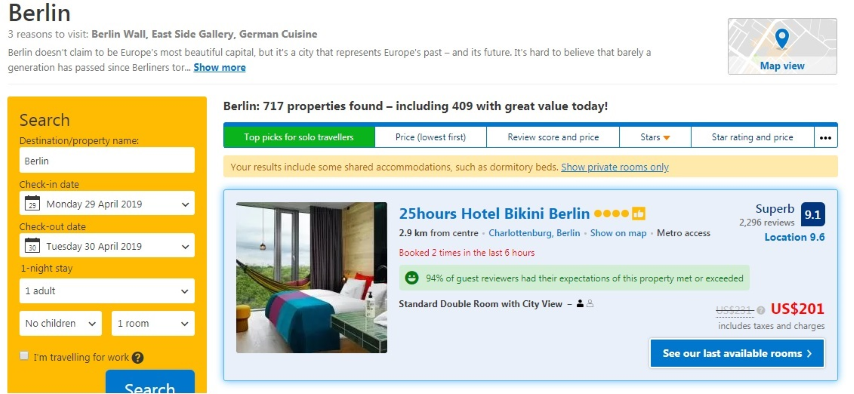
When it comes to booking a hotel, recognizing price differences across various platforms is crucial for making informed decisions. Each booking site may present different prices for the same room, influenced by factors like commission fees, promotions, or even regional pricing strategies. Understanding these variations enables travelers to save money while ensuring their preferences are met.To effectively interpret price differences, it is essential to analyze not only the cost but also the features associated with each booking option.
Features such as cancellation policies, available amenities, and customer reviews can greatly influence the overall value of your hotel stay. A cheaper price may not always be the best option if it comes with restrictive terms or fewer amenities.
Comparison of Features Across Booking Sites
Understanding the differences in features between booking platforms can help travelers make the best choice for their needs. Evaluating these aspects provides clarity on what each website offers beyond just the price.Below is a table comparing key features of some popular hotel booking websites:
| Booking Site | Price Range | Cancellation Policy | Amenities | Customer Reviews |
|---|---|---|---|---|
| Booking.com | Varies significantly | Flexible cancellation on many listings | Filters for amenities like Wi-Fi, breakfast, gym | Detailed reviews with verified guest ratings |
| Expedia | Competitive pricing | Often offers free cancellation | Packages available, including flights and cars | Extensive customer reviews and ratings |
| Hotels.com | Similar to Booking.com | Flexible with many options | Rewards program for frequent users | In-depth reviews from users |
| Airbnb | Variable, often budget-friendly | Host specific policies, varies widely | Unique accommodations, local experiences offered | User ratings with detailed feedback |
Understanding each platform’s cancellation policy is crucial for planning flexibility. For instance, while Booking.com may offer free cancellation on certain listings, others may impose strict conditions. This can save or cost travelers significantly in the event of changes in travel plans. Amenities play a vital role in enhancing the travel experience. Sites like Booking.com allow users to filter options based on desired features, ensuring that travelers find accommodations that meet their needs, whether that includes free breakfast, Wi-Fi, or access to fitness facilities.Lastly, customer reviews are essential in assessing the quality of a hotel.
Platforms provide extensive reviews that help potential guests gauge the experiences of previous visitors, guiding them toward more informed choices. Leveraging this information can lead to a more satisfying hotel stay, tailored to individual preferences and expectations.
Tips for Getting the Best Hotel Deals: How To Easily Compare Hotel Prices On Different Booking Websites

When it comes to booking hotels, timing and strategy can significantly influence the rates you secure. Knowing the right methods and leveraging available resources can help you save considerably on your accommodation costs. Here are some essential tips and strategies to ensure you get the best hotel deals.
Strategies for Booking at the Right Time
Identifying the optimal time to book your hotel can lead to significant savings. Consider the following strategies to enhance your chances of securing lower rates:
- Book in Advance: Hotels often offer lower rates for early bookings, especially during high-demand seasons. Aim to book at least 30 to 60 days prior to your stay.
- Last-Minute Deals: Alternatively, consider waiting until the last minute, as hotels frequently drop prices to fill empty rooms. This can be particularly effective for spontaneous travelers.
- Seasonal Trends: Research seasonal trends for your destination. Prices usually drop during off-peak seasons, providing a more affordable stay without compromising quality.
- Day of the Week: Rates can vary based on the day of the week. Fridays and Saturdays might be more expensive due to weekend travelers, while Sundays through Thursdays often offer lower rates.
Loyalty Programs and Discounts, How to easily compare hotel prices on different booking websites
Taking advantage of hotel loyalty programs and booking site discounts can lead to substantial savings. Many hotels and sites offer incentives that can be beneficial for frequent travelers.
- Loyalty Programs: Joining a hotel’s loyalty program can grant you access to exclusive member rates, free upgrades, and loyalty points that can be redeemed for future stays.
- Credit Card Benefits: Some credit cards offer travel rewards or cash back for hotel bookings. Look for cards that partner with hotel chains for additional perks.
- Promo Codes and Discounts: Booking sites often feature promotional codes or discounts for specific dates or events. Always check for these before finalizing your reservation.
- Bundle Deals: Consider bundling your hotel stay with other travel services like flights or car rentals, as many sites provide discounts for these packages.
Identifying Hidden Fees and Total Costs
Hidden fees can significantly affect the overall cost of your hotel stay, turning what seemed like a great deal into a costly endeavor. Utilize the following methods to uncover these additional charges:
- Read the Fine Print: Always review the terms and conditions of your booking. Look for information regarding resort fees, cleaning fees, or utilities that may not be included in the initial price.
- Contact the Hotel Directly: If in doubt, call the hotel to inquire about any potential hidden fees. This proactive approach can reveal charges that are not clearly listed online.
- Compare Total Costs: Use hotel price comparison tools that show the total cost of your stay, including taxes and fees. This provides a clearer picture of what you will actually be paying.
- Check Cancellation Policies: Some hotels charge fees for cancellations or changes. Understanding these policies can prevent unexpected expenses.
Understanding and mitigating hidden fees can save travelers from unpleasant surprises, ensuring a smoother and more enjoyable experience.