What makes a hotel pet friendly or not is a question that resonates with travelers who consider their furry companions an essential part of their journey. As more people seek accommodations that welcome pets, understanding the factors that contribute to a hotel’s pet-friendly status becomes crucial. From amenities that cater to our four-legged friends to policies that ensure a comfortable stay, this exploration uncovers the nuances that define pet-friendly hotels and what travelers should look for when making their choices.
In the realm of hospitality, pet-friendliness hinges on key amenities like spacious rooms, designated pet areas, and thoughtful policies about the types of pets allowed. Staff training plays a vital role in ensuring a seamless experience for guests with pets, while the hotel’s location significantly enhances the appeal with nearby parks and pet-friendly attractions. The effective communication of pet policies not only sets clear expectations but also fosters guest satisfaction.






As the demand for pet-friendly accommodations continues to grow, understanding these factors can help both travelers and hotel owners create the perfect environment for all guests, furry or not.
Factors Influencing Pet-Friendliness in Hotels

Creating a welcoming environment for pets in hotels is a multifaceted approach that considers various factors. Understanding what makes a hotel genuinely pet-friendly can enhance the experience for both guests and their furry companions. From essential amenities to staff training, several key elements shape the pet-friendly policies of hotels.
Amenities Supporting Pet-Friendly Policies
The availability of specific amenities plays a crucial role in defining a hotel’s pet-friendly status. Outfitting rooms with pet-specific features can make a significant difference in the overall experience for pet owners.
- Pet Beds and Bowls: Providing quality bedding and food/water bowls in guest rooms ensures that pets have a comfortable stay.
- Designated Pet Areas: Outdoor spaces or designated pet areas allow pets to exercise and relieve themselves comfortably.
- Pet-Friendly Dining Options: Some hotels offer outdoor seating where pets can accompany their owners during meals, creating a more inclusive atmosphere.
- Grooming Services: Offering grooming services within the hotel can be a significant convenience for pet owners.
- Pet-Sitting Services: Providing access to pet-sitting can allow guests to explore the area while ensuring their pets are well cared for.
Types of Pets Allowed and Restrictions
Understanding the types of pets allowed in hotels is essential for prospective guests. Policies can vary widely depending on the hotel’s management and local regulations.
- Dog Policies: Most pet-friendly hotels accommodate dogs, but restrictions may apply regarding size, breed, and number of pets.
- Cat Allowance: Fewer hotels permit cats, but those that do often have specific policies regarding litter box cleanliness and damage liability.
- Other Pets: Some hotels may allow smaller pets like rabbits or guinea pigs, but restrictions regarding behavior and size are common.
- Leash Requirements: Many establishments require pets to be leashed in public areas, ensuring safety for all guests.
- Pet Fee Structure: Hotels may charge a one-time fee or additional nightly rates for guests with pets, impacting the overall cost of the stay.
Importance of Staff Training in Handling Pets
The effectiveness of pet-friendly policies hinges not only on physical amenities but also on the staff’s ability to handle pets appropriately. Trained staff can significantly enhance the pet owner’s experience.
When it comes to maximizing your travel experience, understanding the best hotel chains for loyalty rewards programs is crucial. These programs not only offer exclusive benefits but also enhance your stay with perks like free nights and room upgrades, making every trip worthwhile.
- Customer Service Skills: Staff trained in customer service can address pet-related inquiries and concerns promptly and effectively.
- Handling Skills: Knowledgeable staff can ensure safety for both pets and guests, especially during check-ins and interactions.
- Emergency Protocols: Training staff on how to respond to pet emergencies can alleviate concerns for owners and promote a safe hotel environment.
- Pet Behavior Awareness: Understanding common pet behaviors helps staff manage situations where pets may feel anxious or threatened.
- Customized Guest Experiences: Well-trained staff can offer personalized tips and assistance, enhancing the overall experience for pet owners.
Hotel Policies Regarding Pets
In the ever-evolving hospitality industry, hotel policies regarding pets have become a significant aspect of guest satisfaction. As more travelers seek accommodations that cater to their furry companions, the need for clear and thoughtful pet policies becomes increasingly important. Understanding these policies not only enhances the guest experience but also maintains a balance with the needs and comfort of all hotel patrons.Hotels adopt various pet policies to cater to different types of guests and their pets.
Traveling with family can be a delightful adventure, especially when you choose the right accommodations. Discovering what are the best hotels for families traveling can ensure that everyone, from kids to adults, has a comfortable and enjoyable stay, with amenities tailored to meet diverse needs.
These policies can range from allowing pets in specific rooms to imposing weight limits, breed restrictions, or requiring additional fees. Each policy has implications on guest satisfaction and operational efficiency. For instance, a hotel that allows large dogs might attract a specific segment of pet owners, while a more restrictive policy might deter potential guests.
Common Pet Policies in Hotels, What makes a hotel pet friendly or not
Establishing effective pet policies is essential for optimizing guest experiences. Here are some common types of policies that hotels implement:
- Pet-Friendly Rooms: Designated areas within the hotel that accommodate pets typically include amenities such as pet beds and food bowls. This enhances comfort for both pets and their owners.
- Weight and Breed Restrictions: Many hotels impose weight limits (usually around 25-50 pounds) or restrict certain breeds deemed aggressive, which can help mitigate potential issues with other guests.
- Additional Fees: Charging a one-time pet fee or a daily rate for pets can help cover cleaning costs and potential damages while still attracting pet owners.
- Pet Policies and Guidelines: Providing guests with a clear set of rules, such as leash requirements and designated pet areas, helps maintain order and ensures the comfort of all guests.
The communication of pet policies is critical to their effectiveness. Successful strategies for conveying pet policies include:
Effective Communication Strategies
Hotels should focus on clarity and visibility when communicating their pet policies. Here are some strategies that can enhance transparency:
- Website Information: Clearly Artikel pet policies on the hotel’s website, including any fees, restrictions, and available amenities for pets.
- Booking Confirmation Emails: Remind guests of pet policies in confirmation emails to ensure they are well-informed before their stay.
- Signage at the Property: Use signage throughout the hotel to remind guests of pet policies, such as designated areas for walking pets.
- Front Desk Communication: Train staff to explain pet policies and any available services upon check-in, ensuring guests feel welcomed and informed.
Implementing flexible pet policies can significantly enhance guest satisfaction. The following approaches can lead to a more welcoming environment for both pets and their owners:
Flexibility in Pet Policies
Creating a welcoming atmosphere for pets while ensuring guest comfort can be achieved through flexible policies. Consider these strategies for better guest satisfaction:
- Trial Periods for New Policies: Implement new pet policies on a trial basis to gauge guest reactions and make necessary adjustments.
- Pet Packages: Offer pet-friendly packages that include additional services like pet sitting, grooming, or special pet menus.
- Feedback Mechanisms: Encourage feedback from guests regarding pet policies to identify areas for improvement and enhance overall satisfaction.
- Collaborations with Local Pet Services: Partnering with local pet businesses can offer guests added convenience, such as dog walking or pet care services during their stay.
Implementing these strategies can help hotels create an inclusive environment that caters to pet owners while ensuring that all guests have a pleasant experience during their stay.
The Role of Location in Pet-Friendly Hotels
The geographic location of a hotel plays a crucial role in its pet-friendly status. Hotels situated near parks, beaches, and other open spaces are more likely to welcome pets, as these areas provide ample opportunities for outdoor activities. Additionally, the surrounding community’s attitude toward pets can influence hotel policies, making some destinations more pet-friendly than others.Proximity to pet-friendly facilities and attractions significantly enhances a hotel’s appeal for pet owners.
When a hotel is located near parks, trails, or pet-friendly beaches, it not only offers convenience but also enriches the travel experience for both pets and their owners. For instance, hotels near natural reserves allow guests to enjoy hiking with their dogs, while those close to pet boutiques or groomers provide additional services that cater to pets.
Activities and Facilities for Pets Nearby
The availability of local activities and facilities catering to pets can greatly enhance the attractiveness of a hotel for pet owners. Here are some factors that contribute to this appeal:
- Parks and Green Spaces: Nearby parks provide essential areas for dogs to exercise, socialize, and relieve themselves. For example, Central Park in New York City features designated dog areas, allowing pets to run off-leash.
- Pet-Friendly Beaches: Coastal hotels often boast proximity to beaches where pets are welcome, such as Carmel Beach in California. These locations allow for memorable outings with pets.
- Pet Services: The presence of local pet services, including groomers, pet sitters, and veterinarians, enhances the overall experience. Hotels near these facilities can give peace of mind to pet owners.
- Pet-Friendly Cafés and Restaurants: Establishments that welcome pets can significantly enrich the travel experience. For instance, many cities have pet-friendly dining options where guests can enjoy meals with their furry companions.
Local Laws and Regulations Affecting Pet Access
Local laws and regulations can directly impact a hotel’s pet-friendly policies. Various jurisdictions have different rules regarding pets in public spaces, which can shape how hotels operate. Understanding these regulations is essential for hotel management and guests alike. Some key considerations include:
- Leash Laws: Many cities have leash laws that require pets to be restrained in public areas, which can influence the design of hotel amenities.
- Breed Restrictions: Some regions impose restrictions on certain dog breeds, which can affect hotel policies and the types of pets allowed.
- Pet Waste Regulations: Local regulations regarding pet waste management encourage hotels to maintain cleanliness and ensure appropriate facilities for waste disposal.
- No-Pet Zones: Certain areas may be designated as no-pet zones, which can restrict where pets can go, impacting nearby hotel options for pet owners.
Marketing Pet-Friendly Hotels: What Makes A Hotel Pet Friendly Or Not
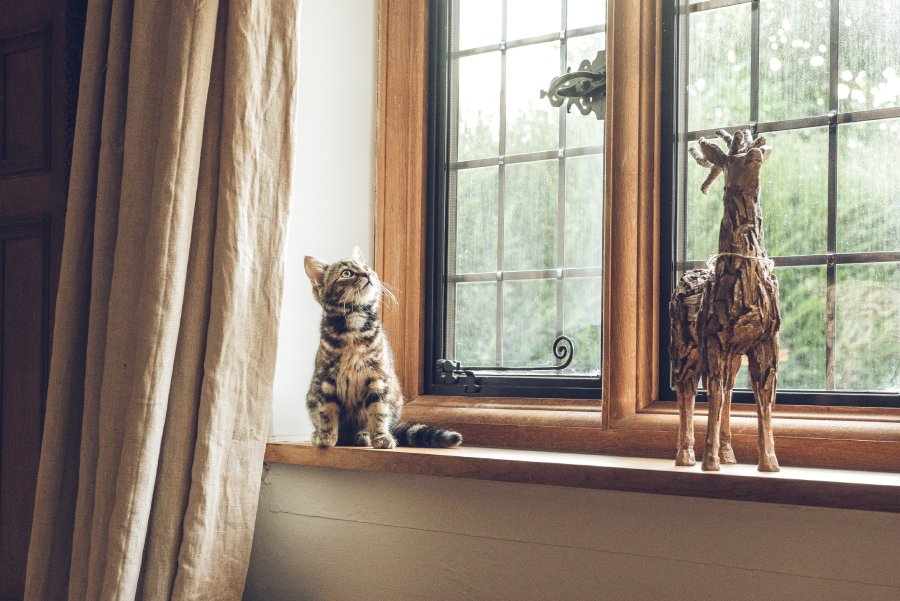
In today’s competitive hospitality market, effectively marketing pet-friendly hotels is essential in attracting the growing demographic of pet owners who seek accommodations that cater to their furry companions. As more people consider pets as family members, hotels must communicate their pet-friendly features to stand out. This involves strategic marketing efforts that highlight the unique offerings for pets and their owners, ensuring potential guests feel welcomed and understood.One of the most impactful strategies is to showcase pet-friendly features prominently in hotel marketing materials, including websites, brochures, and advertisements.
Utilizing engaging visuals and testimonials from previous guests can enhance the appeal of these offerings. Additionally, leveraging social media platforms allows hotels to connect with potential guests by sharing user-generated content, special promotions, and engaging stories. This not only broadens the reach but also fosters a community among pet owners.
Strategies for Promoting Pet-Friendly Features
Implementing effective marketing strategies is crucial in distinguishing pet-friendly hotels from traditional accommodations. Given the emotional connection people have with their pets, marketing should evoke warmth and positivity. The following strategies can enhance visibility and attract pet owners:
- Visual Storytelling: Use high-quality images and videos that depict happy pets enjoying the hotel environment, such as playing in designated areas or being pampered by staff. This captures the essence of a pet-friendly experience.
- Pet Packages: Offer special packages that include amenities for pets, such as welcoming treats, toys, pet beds, or access to pet-friendly areas. Clearly Artikel these offerings in promotional materials.
- Testimonials and Reviews: Display reviews from satisfied pet owners prominently on the website and social media. Positive experiences shared by other pet travelers can significantly influence booking decisions.
- Influencer Collaborations: Partner with pet influencers and bloggers to reach a wider audience. By showcasing their experiences at the hotel, these collaborations can generate authentic content and attract followers who trust their recommendations.
- Targeted Advertising: Utilize targeted online advertising, focusing on pet owners through platforms like Facebook and Instagram. Tailor ads to highlight pet-friendly features, making it clear that the hotel is a suitable choice for animal lovers.
The Role of Social Media in Showcasing Pet-Friendly Experiences
Social media has become an indispensable tool for hotels to visually communicate their offerings and engage with guests. Platforms like Instagram and Facebook allow hotels to share real-time updates, promotions, and pet-related content that resonates with their audience. Sharing user-generated content is particularly effective, as it leverages authentic experiences from guests who bring their pets. By encouraging guests to tag the hotel in their posts, hotels can create a vibrant online community.
Additionally, running contests or campaigns that involve sharing pet photos taken at the hotel can further increase engagement and visibility.Importantly, hotels should engage directly with customers by responding to inquiries and comments promptly. This interaction fosters a sense of community and trust, encouraging repeat visitors and positive word-of-mouth referrals.
Customer Demographics Interested in Pet-Friendly Accommodations
Understanding the demographics of potential guests is vital for effective marketing. The primary audience for pet-friendly hotels includes families and young professionals who view pets as integral parts of their lives. This group typically includes:
- Millennials and Gen Z Travelers: These generations are more likely to travel with pets and prioritize pet-friendly options. They often seek hotels that align with their values, such as sustainability and inclusivity.
- Families: Parents traveling with children and pets often look for accommodations that cater to the needs of both. Family-friendly amenities combined with pet-friendly services can enhance the appeal.
- Business Travelers: A growing number of business travelers are opting to bring their pets along, especially with the rise of remote work. Hotels that provide pet services can tap into this emerging market.
- Pet Enthusiasts: This demographic includes individuals who actively seek out pet-friendly experiences and are willing to travel further for accommodations that welcome their pets.
By focusing on these strategies and understanding the target audience, hotels can effectively market their pet-friendly features, ultimately attracting more guests and building lasting relationships.